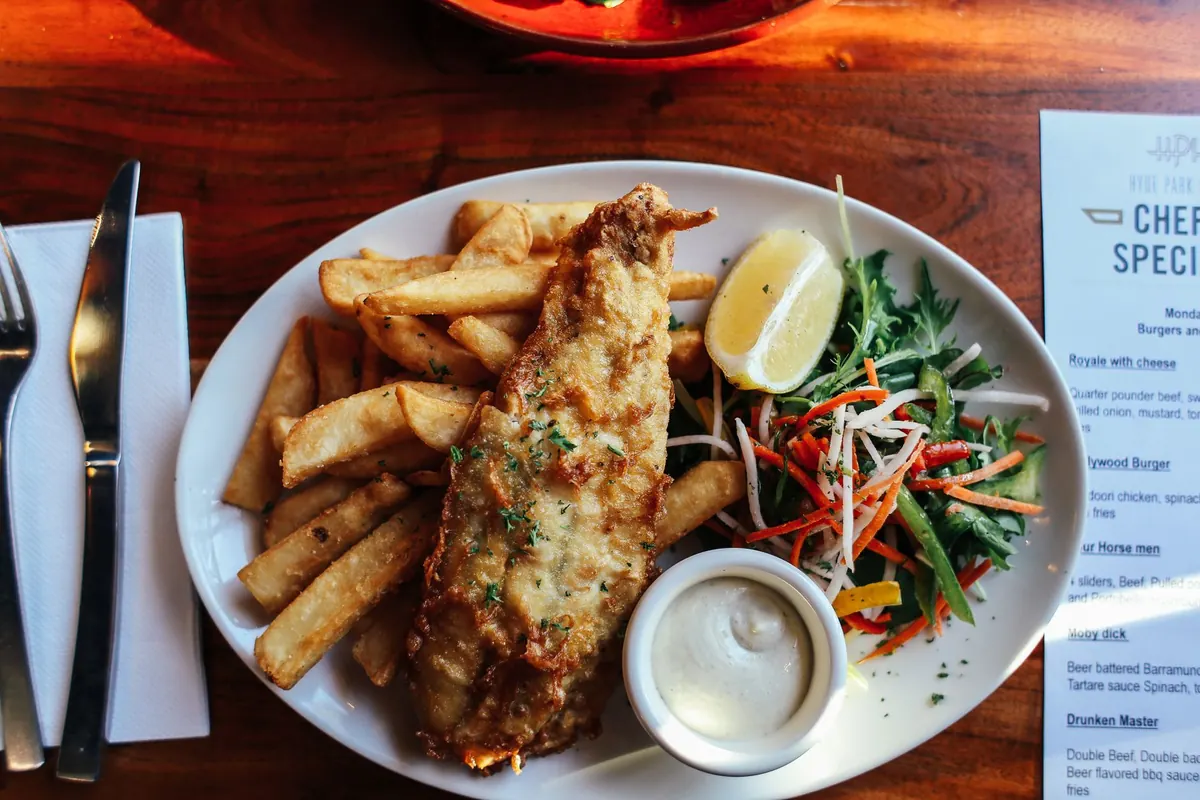
Gluten-Free Fish and Chips: Batter Recipe and Takeaway Tips
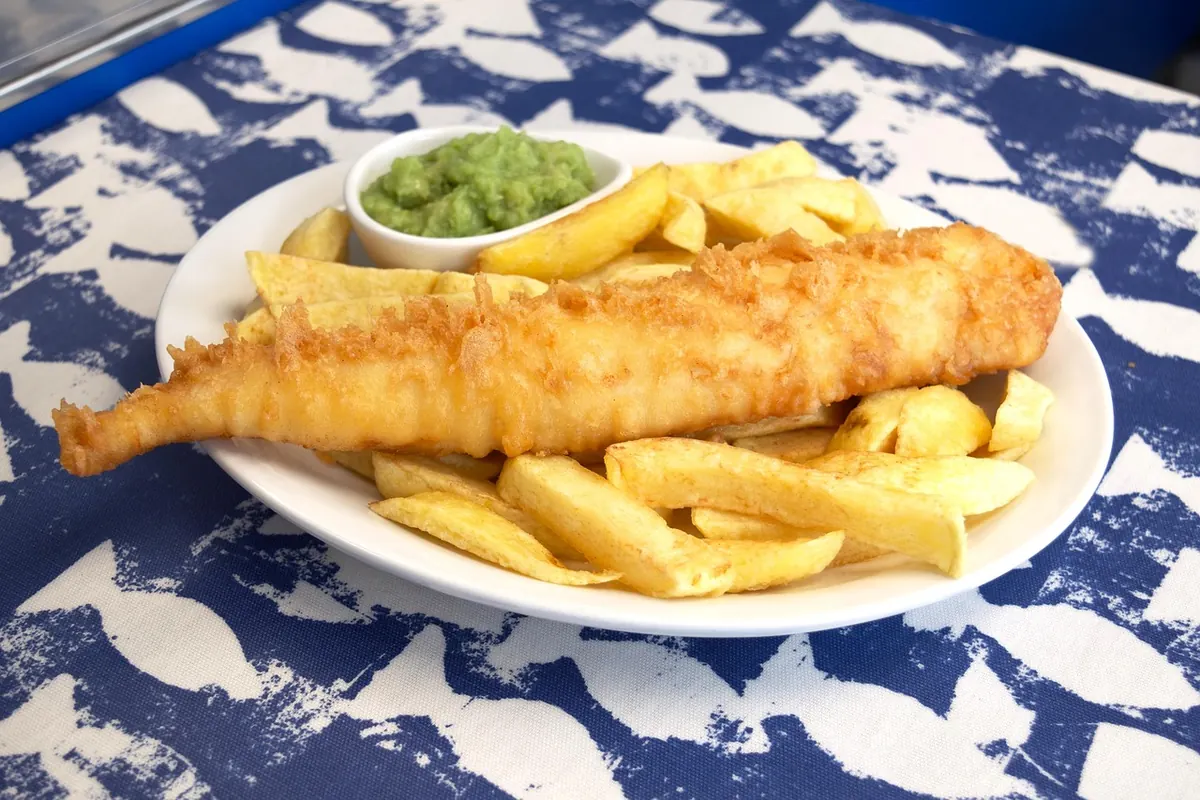
Good gluten-free fish and chips are entirely possible. They just need a bit more thought than the average chippy tea. The batter is the easy part once you accept one fact: rice flour, cornflour and most gluten-free blends behave nothing like wheat. They need help to go crisp, and they need heat. Ordering takes nerve and a handful of direct questions. Here is how to get both right, in your own kitchen and at the counter.
Why gluten-free batter behaves differently
Wheat batter works because gluten forms a stretchy net that traps steam and holds on to the fish. Take that away and the mix turns thin, slides off in the pan, and soaks up oil instead of sealing. The result is a pale, chewy jacket that falls apart on the plate.
Three fixes solve most of it. First, starch: cornflour (cornstarch) and rice flour crisp up beautifully but need a slightly thicker mix than wheat would. Second, temperature: gluten-free batter needs a good blast of heat to set before it can absorb oil. Third, a dry surface: pat the fish properly, then dust it with cornflour so the batter has something to grip. Do those three things and no one at the table will guess what is missing.
The batter: a recipe that actually crisps
This makes enough for two generous fillets of cod, haddock, pollock or hake, roughly 150–200g each. A thick fillet gives you a better ratio of fish to crust than a thin tail piece.
- 100g gluten-free plain flour blend (check the label; blends vary a lot)
- 50g cornflour, plus extra for dusting
- 1 tsp gluten-free baking powder
- ½ tsp fine salt, plus more for the fish
- ¼ tsp xanthan gum if your blend does not already include it
- 175ml very cold sparkling water, plus a splash extra
- 1 tbsp vodka, optional but genuinely helpful — it evaporates fast and leaves a drier crust
- Whisk the flour blend, cornflour, baking powder, salt and xanthan gum in a bowl.
- Pour in the sparkling water and vodka and whisk to a smooth mix the consistency of double cream. It should coat a spoon but still drip off it.
- Let it sit for 15 minutes, then stir in a splash more fizzy water to loosen it again — the bubbles matter.
- Pat the fish bone dry with kitchen paper, season both sides, and dust lightly with cornflour.
- Dip each fillet, let the excess run off for a second, and go straight into the oil.
Frying it properly
Heat your oil to 180–190°C. If you do not have a thermometer, drop in a cube of bread: it should turn golden in about 30 seconds. Too cool and the batter drinks oil; too hot and it colours before the fish cooks through.
Use a deep, heavy pan with at least 8cm of oil, or a home fryer. Lower the fillets in gently, away from you, and do not crowd them — two at a time in a standard pan. Crowding drops the temperature and you end up with soggy patches. A 2cm-thick fillet needs roughly 5–6 minutes, turning once.
For a really brittle crust, try a two-stage fry. Give the battered fish 2 minutes at 160°C, lift it out onto a rack for 5 minutes, then fry again at 190°C for 2–3 minutes until deep gold. Drain on a wire rack over a tray, never on kitchen paper, which steams the underside and undoes your work. Salt immediately.
If you are cooking for someone with coeliac disease, keep this fryer or pan for gluten-free cooking only. Oil that has fried battered fish or breaded food carries gluten, and no amount of skimming makes it safe. If you are unsure how strict you need to be, your doctor or dietitian is the right person to ask.
Chips, oil and the one-fryer problem
Homemade chips are straightforward: cut floury potatoes into thick batons, rinse the starch off, dry them thoroughly, then fry at 140°C for about 6 minutes until floppy but not coloured. Lift out, raise the oil to 180°C, and fry again for 3–4 minutes until crisp and golden. Salt while hot.
With a single fryer, order matters. Cook the chips first, lift them out, then fry the fish. Once gluten-free batter has been in the oil, the chips cooked afterwards are fine in theory — the batter is gluten-free, after all — but the oil will taste of fish and any stray crumbs will burn. Chips first, always. If you are feeding a mixed household and using wheat batter for some fillets, cook every gluten-free item before the wheat ones, or use separate pans.
Ordering gluten-free fish and chips: what to ask
Chip shops are often more accommodating than people expect, especially if you call ahead at a quiet time rather than turning up at 7pm on a Friday. Ask before you queue.
- Is there a dedicated fryer for gluten-free items? If the same oil fries battered fish all evening, it is not suitable for someone with coeliac disease.
- Is the batter made with gluten-free flour, or is the fish just dusted in cornflour? Some shops offer a plain grilled or steamed version instead.
- Is the fish dusted in wheat flour before battering? This happens in plenty of kitchens and is easy to miss.
- Are clean utensils and a clean tray used? Tongs that have handled battered fish carry flour and crumbs.
- Is the oil fresh? A dedicated fryer that has not been used for anything else that day is ideal.
If the answers are vague, believe the vagueness. A shop that cannot tell you what is in its batter is not a safe bet.
The extras that catch people out
The fish is only half the order. Malt vinegar is usually brewed from barley and is not gluten-free; ask for non-brewed condiment instead, which most chippies keep behind the counter. Gravy and curry sauce are often thickened with wheat flour, so check before you pour. Tartare sauce is usually fine but worth a glance at the label. Mushy peas, pickled onions and lemon are normally no trouble at all. And skip the scraps — those little crispy bits are pure batter.
A Friday night that works
Start with the batter recipe above and a thermometer, and you will get a crust that shatters rather than bends. Fry your chips first, keep the oil hot, and drain everything on a rack. When you order out, ring ahead, ask the five questions, and be prepared to walk away if the answers do not stack up. Fish and chips should feel like a treat, not a compromise — and with a little care, it does.
Photo: Rachel Claire / Pexels