Air Fryer Fish and Chips for Beginners: A Step-by-Step Guide
Fish and chips from an air fryer sounds like a compromise until you eat a good batch. The trick is not a secret batter or an expensive machine. It comes down to understanding that an air fryer is a small, fierce convection oven, and it rewards a few specific habits: dry surfaces, thin coatings, and space between pieces. Get those right and you can serve shatter-crisp fish with fluffy chips in well under half an hour, without a pan of hot oil on the hob.
How an Air Fryer Actually Cooks
An air fryer moves hot air around food quickly. That is the whole mechanism. It browns beautifully and it crisps beautifully, but it has no oil to transfer heat into a wet batter the way a deep fryer does. That single difference explains almost every air fryer failure.
- Wet surfaces steam. Steam is the enemy of crisp. Pat fish and potatoes completely dry before they go in.
- Crowding traps moisture. Cook in one layer, even if that means two batches. A crowded basket gives you pale, soggy results every time.
- Thin coatings win. A heavy, dripping batter slides off or stays raw underneath. Light crumb coatings are far more reliable for beginners.
- A little oil helps. A quick spray or brush of neutral oil on the coating gives colour and crunch. It is not deep frying, but it is not nothing.
What You Need Before You Start
Nothing exotic, but a few bits of kit make the job easier and more consistent.
- A air fryer with a basket or tray you can shake or turn food in
- Kitchen paper or a clean tea towel for drying
- An oil sprayer or a pastry brush and a mild oil such as rapeseed, sunflower or light olive
- A wire rack or plate lined with paper for resting the fish
- A digital thermometer if you want certainty on thick fillets
- Tongs, so you can turn fish without breaking the crust
Preheat the air fryer for three to five minutes. It makes a noticeable difference to the first side of the fish, and it takes no effort at all.
Air Fryer Fish From Scratch, Step by Step
Choose the right coating
For a first attempt, skip beer batter. Beer batter needs a bath of hot oil to puff and set; in an air fryer it tends to stay pale and slightly doughy. A dry-wet-dry crumb coating browns evenly, stays put, and gives you crunch you can hear from across the kitchen.
For two fillets of cod, haddock or pollock, set out three shallow bowls:
- Bowl one: seasoned plain flour — salt, black pepper, a little paprika if you like.
- Bowl two: one beaten egg with a teaspoon of mustard or a splash of milk.
- Bowl three: panko or coarse dried breadcrumbs, with a pinch of salt and a spoonful of oil rubbed through them.
Dry the fillets with kitchen paper, then press each one through flour, then egg, then crumbs. Use one hand for the wet bowls and one for the dry ones if you want to keep your fingers usable. Press the crumbs on firmly — loose crumbs fall off and burn in the basket.
Cook the fish
- Heat the air fryer to 190°C (375°F) and give the basket a light spray of oil.
- Lay the fillets in with space between them. Do not stack.
- Spray or brush the tops lightly with oil.
- Cook for 8 to 12 minutes, depending on thickness, turning carefully halfway.
- Thin fillets may be done in 8 minutes; thick ones need closer to 12. Fish is ready when it flakes at the thickest point and the crumb is deep golden.
If you are unsure, take the fish out a minute early rather than a minute late. Dry, overcooked fish is a far more common problem than undercooked fish in an air fryer.
Frozen Fish and Chips in the Air Fryer
Frozen breaded fish and frozen oven chips are where an air fryer earns its place on the counter. No defrosting needed, but the two items cook at different speeds, so cook them separately and keep the fish warm while the chips finish.
- Frozen breaded fish: 200°C (400°F) for 10 to 14 minutes, turned once. Spray the coating lightly — frozen crumb coatings dry out fast.
- Frozen oven chips: 200°C (400°F) for 18 to 22 minutes, shaken every 6 or 7 minutes.
- Frozen battered fish: works, but give it a generous spray of oil and expect a slightly softer crust than a deep fryer version.
Always check the pack instructions on the product you bought. They are written for your specific item and beat any general timing.
Homemade Chips That Actually Crisp
Cut floury potatoes into thick fingers, about 1.5cm wide. Rinse them under cold water until it runs clear, then dry them thoroughly — this is the step most people skip and it matters. Toss with a tablespoon of oil, salt and a pinch of pepper.
Air fry at 180°C (355°F) for 12 minutes, shaking twice, then raise to 200°C (400°F) for a final 6 to 8 minutes until the edges are browned and crisp. The lower start cooks the middle; the higher finish builds the crust. A light dusting of cornflour before the oil helps too.
When Things Go Wrong
- Pale and soft? Too much moisture, too little oil, or too full a basket. Dry everything, spray lightly, cook in batches.
- Burning on top? Move the food lower, reduce the temperature by 10 degrees, and check earlier.
- Crumbs falling off? The fillet was too wet, or you skipped the flour stage. Flour gives the egg something to grip.
- Chips sticking? Shake the basket earlier and more often, and add oil before they go in, not after.
Serving and a Final Word
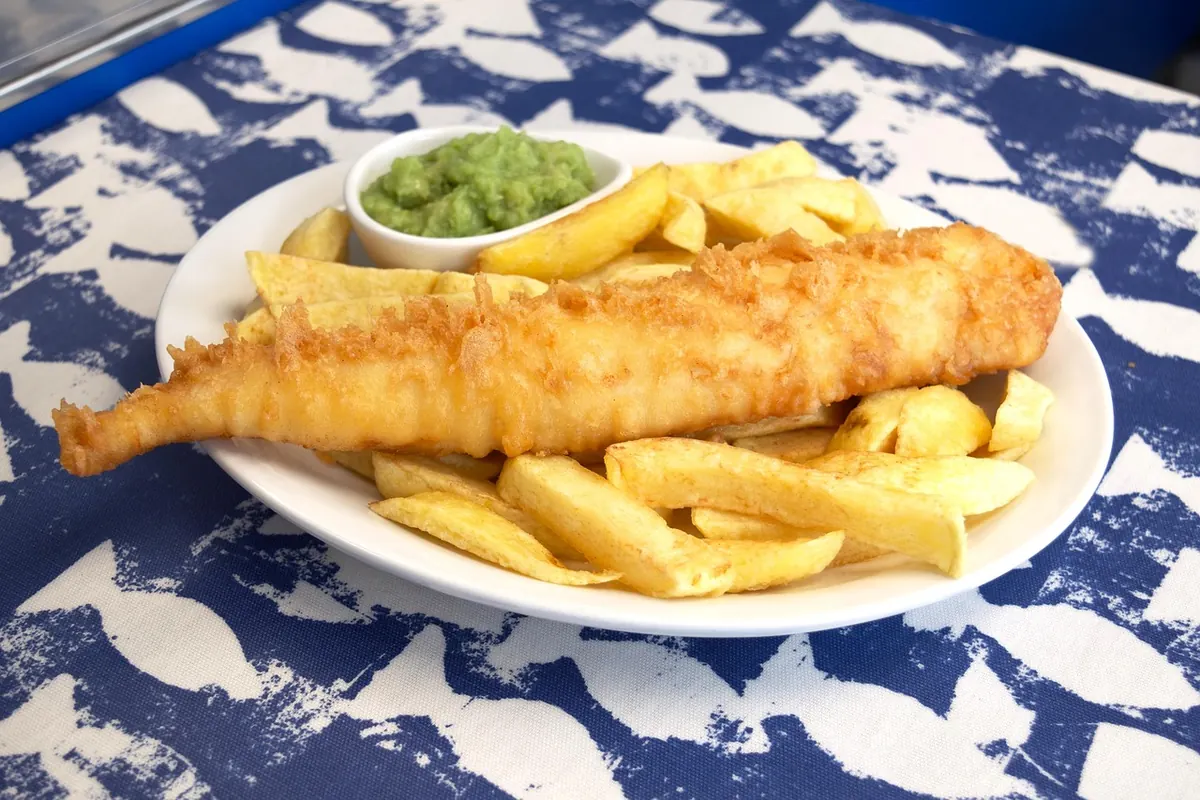
Rest the fish on a rack for a minute rather than on a plate, so any steam escapes underneath instead of softening the crust. Season chips with flaky salt the moment they come out. Serve with mushy peas, tartare sauce, a wedge of lemon, or all three.
Start with the crumb-coated fish and a bag of frozen chips, and get comfortable with your machine's quirks — every air fryer runs a little hotter or colder than the dial suggests. Once you know your timings, try homemade chips, then a simple batter if you are curious. Write your own notes on the fridge door; that is how this becomes a weeknight habit rather than an experiment.
Photo: fudowakira0 / Pixabay