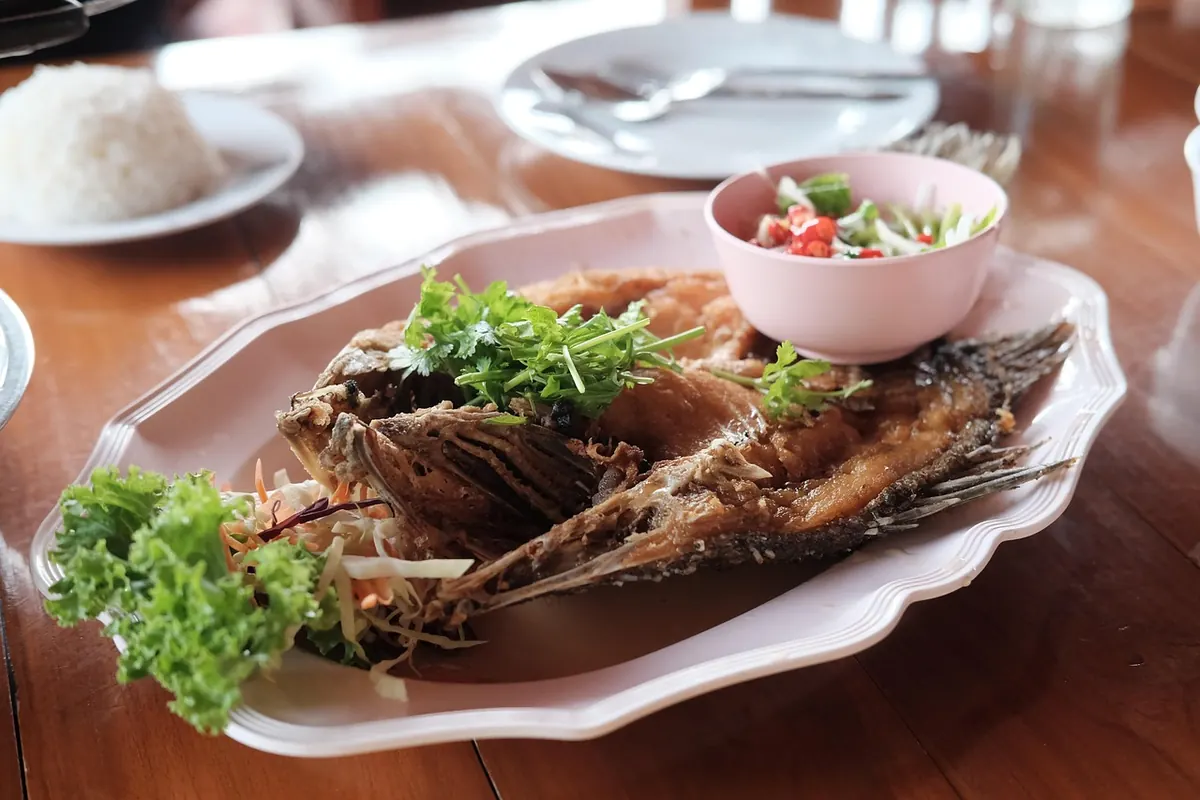
How to Reheat Fish and Chips Without Soggy Batter
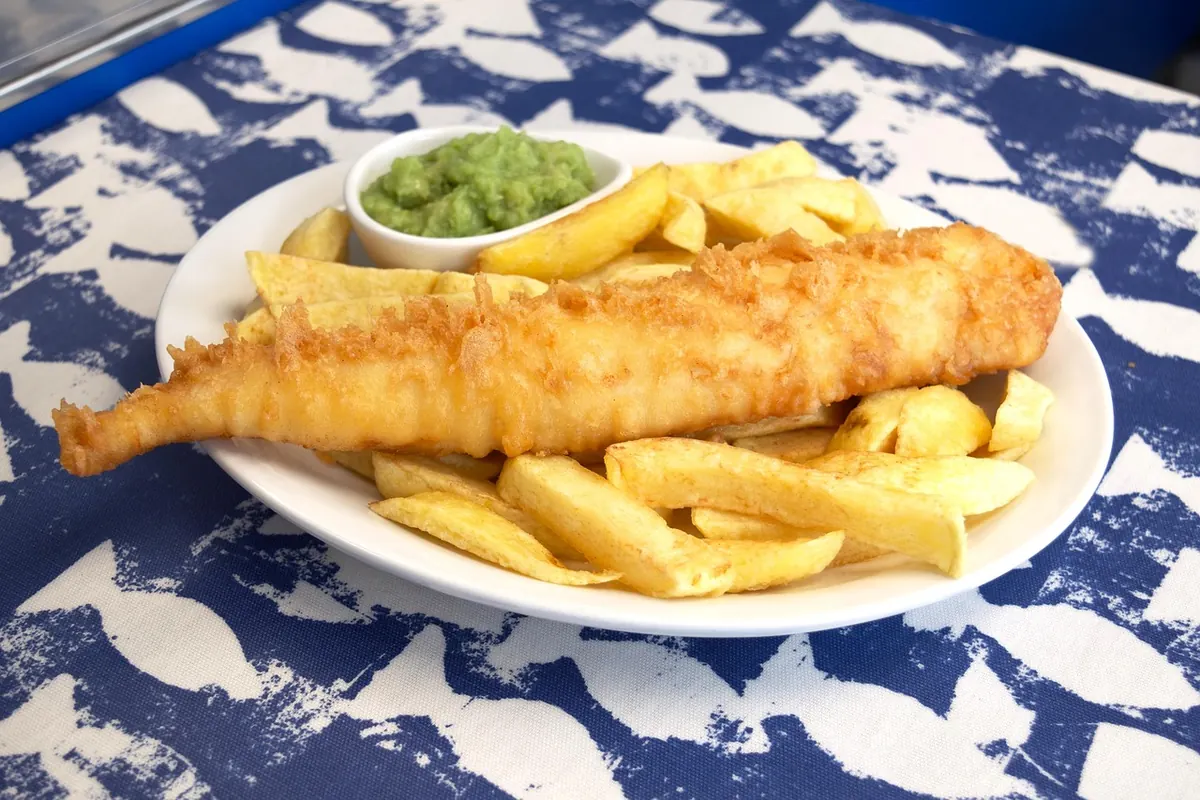
Cold fish and chips are a particular kind of disappointment. The batter that cracked under your fork last night has turned leathery, the chips have gone waxy, and the whole thing smells faintly of yesterday's paper. It does not have to end that way. A proper reheat will not reproduce a fryer basket at the chippy, but it can get you a crisp shell, flaking fish and chips with real texture again — as long as you keep moisture away from the batter and give the heat somewhere to work.
Why leftover fish and chips go soggy
Fried batter is a dry, brittle shell of starch and fat. Once the fish cools, moisture inside the flesh starts moving outward, and that moisture has to go somewhere. Trapped in a foil parcel or a lidded container, it condenses on the batter and softens it from the outside in. Chips have the same problem: they are cooked starch with a crisp exterior, and any steam sitting around them turns them limp and greasy-feeling.
So the rule for reheating is simple. Dry, moving heat, a little space between pieces, and nothing covering the food. Every method below follows that logic; everything in the "what not to do" section breaks it.
The oven: the best all-rounder
If you are reheating a full portion — two fillets, a pile of chips, maybe a sausage — the oven is the most reliable choice. It is slower than the alternatives, but it treats a large batch evenly and gives the batter room to dry out properly.
How to do it
- Heat the oven to 200°C (400°F), or 180°C (350°F) fan.
- Set a wire rack over a baking tray. This is the single most important step — the rack lifts the food out of its own steam and lets hot air reach the underside.
- Spread the chips in a single layer on the rack. Give them ten minutes head start, since they are denser than the fish.
- Add the fish, skin side down if it has skin, and roast for eight to ten minutes more.
- Turn everything once, halfway through. If a patch of batter looks pale and dry, a light spray of oil helps it colour.
You are looking for a batter that has re-crisped and a fish that is piping hot at the centre. If in doubt, give it another two minutes rather than pulling it early — a slightly dry fillet beats a lukewarm one.
The air fryer: fast, and excellent for one portion
An air fryer is essentially a small, fierce convection oven, and moving hot air is exactly what soggy batter needs. Set it to 180–190°C (360–375°F).
- Chips first: five to seven minutes, shaking the basket once or twice.
- Then the fish: six to eight minutes, turned once.
- Keep it shallow: one layer only. Stacked pieces steam each other, which defeats the point.
Small batches matter here. If you crowd the basket, the air cannot circulate and you may as well have used a microwave. Loose flakes of batter can get blown around, so keep pieces reasonably intact and avoid the highest settings.
The skillet: maximum crunch, minimum margin for error
For a single fillet where you want the crispest possible shell, a pan is hard to beat. Heat a thin film of oil in a skillet over medium-high until it shimmers — not until it smokes. Lay the fish in and leave it alone for a minute or two per side, pressing it gently with a spatula so the batter makes proper contact with the hot fat. Use a splatter guard rather than a lid; a lid turns your pan into a steamer.
Chips can be revived in a dry skillet, but they need more oil and more attention than most people want at that hour. The oven or air fryer does a better job with less fuss.
Which method should you use?
- Several fillets and a family portion: oven, on a rack.
- One portion, minimal washing up: air fryer.
- One fillet and you want the crunchiest batter: skillet.
- Chips on their own: air fryer first, oven second, skillet if you fancy something closer to a fry-up.
What not to do
Do not use the microwave. It heats by turning water into steam, and steam is the enemy of batter. You will get a rubbery shell and chips that taste boiled.
Do not wrap anything in foil or cover the dish. It keeps the food warm and ruins the texture in the process. If you must hold it, leave it uncovered in a low oven and accept a slightly drier result.
Do not reheat at a low temperature. A gentle 150°C oven dries the fish out before the batter has any chance to crisp. You need real heat for a short time.
Do not pile it up. Layers of fish and chips create their own little steam chamber. One layer, always.
Do not salt or sauce before reheating. Salt draws moisture to the surface, and vinegar or ketchup will soak straight into the batter. Season at the table, on the plate, seconds before eating.
Do not reheat twice. Cool leftovers quickly, get them into the fridge within a couple of hours, and eat them within a day or two. Reheat once, until piping hot all the way through, and throw away anything you do not finish. If you are unsure whether food is still safe to eat, err on the side of caution.
A quick routine worth remembering
The moment you decide you are having the leftovers, turn the oven or air fryer on. Chips in first, fish in for the final stretch, everything on a rack or in a single layer, nothing covered. Serve on warmed plates and add salt, vinegar and sauce at the table. Done properly, next-day fish and chips are not a compromise at all — they are a second chance at the best part of the meal.
Photo: minipukkik / Pixabay